Halloween Pet Safety Tips for Peyton, CO Families
Halloween Pet Safety Tips for Peyton, CO Families
Halloween brings a unique blend of excitement, costumes, and sweet treats to households in Peyton, CO. For many families, including your dog or cat in the festivities is half the fun. However, the holiday also introduces a range of potential hazards for pets, from tempting but toxic snacks to stressful costumes and unfamiliar visitors at the door. At Falcon Family Vet, located at 10634 Maltese Point, Suite 100, Peyton, CO 80831, our veterinary team wants your entire family—including your pets—to enjoy a safe and happy Halloween. In this guide, we will walk you through common Halloween risks for pets, how to spot signs of trouble, and steps you can take to keep your dog or cat healthy and comfortable during the spooky season. You will also learn when a wellness care visit or even emergency assistance might be needed, and how our local team can support you every step of the way.
Recognizing Halloween Risks for Dogs and Cats
Halloween introduces several changes to your pet’s routine and environment, which can lead to stress or even illness. Common risks include exposure to chocolate and other toxic treats, costume discomfort or entanglement, noisy crowds and doorbell rings, and the dangers of escape as doors open and close for trick-or-treaters. You may notice your dog or cat acting nervous when strangers approach, or see signs of distress if a costume is too tight or restrictive. Symptoms indicating a problem may include excessive panting, hiding, vocalizing, vomiting, diarrhea, limping, or sudden changes in behavior. If your pet manages to sneak a piece of candy or seems unusually agitated by costumes or holiday decorations, it is important to pay close attention to their responses and look for any signs that something is wrong.
Signs Your Pet is in Distress
During the Halloween season, pets may display a range of symptoms when stressed or exposed to hazards. For example, a dog that ingests chocolate may suddenly vomit, drool excessively, or become hyperactive. Cats upset by loud noises or unfamiliar costumes might retreat to a hidden spot, vocalize more than usual, or show signs of aggression. Additionally, costumes that are too tight or have dangling pieces can cause pets to limp, chew at the fabric, or even struggle to breathe. Monitoring your dog or cat’s behavior closely during these festivities is one of the best ways to catch problems early and keep them safe.
Why Halloween is Risky for Pets
The excitement of Halloween creates an environment filled with unexpected dangers for dogs and cats. Treats left within reach, such as chocolate, raisins, and sugar-free candies containing xylitol, are highly toxic to pets. Decorations like candles, glow sticks, and electrical cords become tempting playthings, while costumes and masks can cause anxiety or impede movement. The constant ringing of the doorbell and frequent opening of the front door increase the chances of a frightened pet running outside. In Peyton, where families often celebrate with neighborhood gatherings or outdoor displays, pets may be exposed to even more unfamiliar sights and sounds, elevating their stress levels.
Pet Costumes: Fun or Frightening?
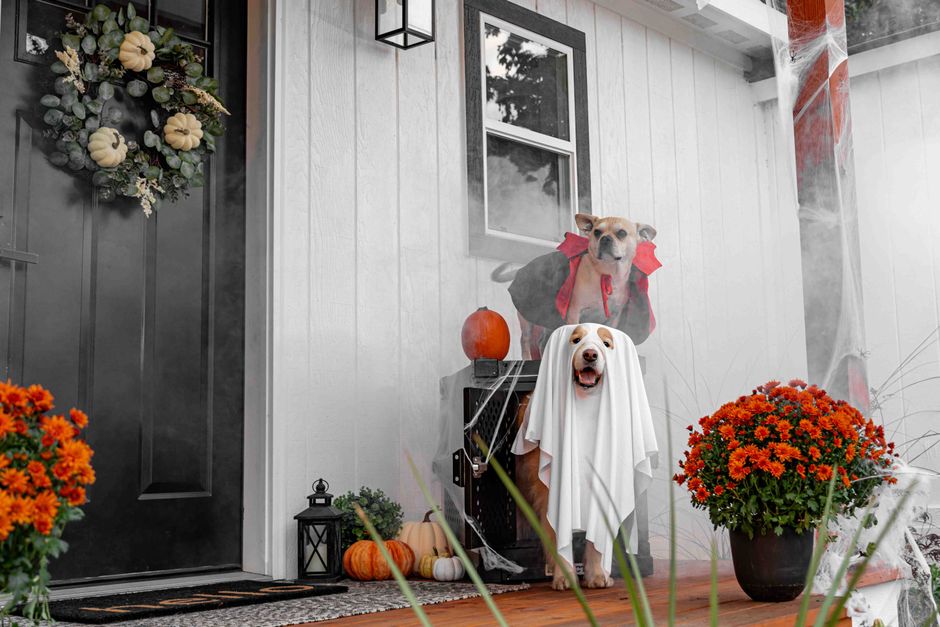
Dressing up your pet can be adorable, but not every dog or cat tolerates costumes well. Fabrics that are too tight, cover the face, or restrict movement can cause discomfort or even pose a choking hazard. Accessories with small parts can be chewed off and swallowed, creating a risk of intestinal blockage. It is important to select costumes designed for animals, ensure a proper fit, and supervise pets at all times when they are dressed up. If your pet seems anxious or tries to remove the costume, it is safer to opt for a festive collar or bandana instead.
Halloween Treats and Toxic Foods
Many Halloween staples are dangerous for pets. Chocolate—especially dark and baking varieties—can cause serious poisoning in dogs and cats, leading to symptoms like vomiting, diarrhea, rapid breathing, and even seizures. Xylitol, a common sweetener in sugar-free gum and candies, can cause a dangerous drop in blood sugar and liver failure in dogs. Raisins and grapes, often found in snack mixes, are highly toxic to both dogs and cats. It only takes a small amount of any of these substances to cause serious illness, so all treats should be kept well out of reach.
Keeping Your Pet Safe: Management and Prevention
At Falcon Family Vet, we believe that the best way to protect your dog or cat during Halloween is through thoughtful preparation and prevention. Creating a safe, quiet space for your pet away from the front door can help reduce stress caused by frequent visitors and loud noises. If your pet is especially anxious, consider playing calming music or providing their favorite toy or blanket. Supervise all costume use, and remove any clothing or accessories that seem to bother your pet. Ensure that all treats, both for children and adults, are stored securely where pets cannot access them. When walking your dog on Halloween night, use a sturdy leash and reflective gear to keep them visible and under control. Cats should remain indoors throughout the festivities to prevent escapes or encounters with holiday hazards.
Nutrition and Safe Treat Options
If you would like to include your pet in the Halloween fun, consider offering them a special pet-safe treat or chew. There are many commercially available snacks made specifically for dogs and cats that will not pose the same risks as human candy. If you have questions about which treats are appropriate, our diet and nutrition guidance page provides helpful information for Peyton pet owners. Always introduce new treats in moderation and observe your pet for any signs of digestive upset.
Making Your Home Pet-Safe for Halloween
Take a few minutes to inspect your home for holiday hazards before Halloween festivities begin. Store all candy, baked goods, and party snacks in cabinets or containers with secure lids. Place candles, jack-o-lanterns, and electrical cords out of your pet’s reach. If you have a particularly curious dog or cat, consider using baby gates or closing off certain rooms during trick-or-treating hours. Remind family members and guests to keep an eye out for pets when opening doors, and consider using a collar with updated identification tags or ensuring your pet’s microchip information is current.
When to Seek Veterinary Care
Despite your best efforts, accidents can happen. It is essential to know when your pet’s symptoms warrant a visit to the veterinarian. If your dog or cat eats chocolate, xylitol, raisins, or any unknown substance, contact Falcon Family Vet right away—even if your pet seems fine at first. Symptoms of poisoning can develop quickly and may include vomiting, diarrhea, tremors, seizures, or sudden collapse. If your pet is having difficulty breathing, is unable to walk, or has suffered a burn or injury from decorations, prompt veterinary attention is critical. For less urgent concerns, such as mild anxiety or minor costume irritation, scheduling a wellness care visit can provide peace of mind and help you create a safer environment for future holidays.
If you are unsure whether your pet’s symptoms require immediate care, our emergency veterinary care page explains when to act fast and how our team supports Peyton families during urgent situations. Our veterinary professionals are here to answer your questions and provide guidance tailored to your dog or cat’s needs.
Supporting a Stress-Free Halloween for Your Pet
Halloween can be overwhelming, even for the most easygoing pets. Planning ahead and taking simple precautions can make a big difference. If your dog or cat is particularly anxious, gradual desensitization to costumes or decorations in the weeks leading up to Halloween may help. Offering positive reinforcement, such as treats or affection, when your pet remains calm around new sights or sounds can build confidence. Regular wellness care and open communication with your veterinarian also play a key role in preparing for seasonal changes and unexpected events.
Your Local Partner for Pet Health and Safety
As you prepare for Halloween in Peyton and surrounding communities, remember that Falcon Family Vet is committed to helping your pets stay healthy, happy, and safe. If you have concerns about your pet’s diet, costume safety, or possible exposure to toxic substances, our veterinary team is just a call away. Whether you need guidance on pet diet and nutrition or require urgent care for a sudden emergency, our knowledgeable professionals are dedicated to supporting you and your pets every step of the way.
When searching for a veterinarian near me, look for a trusted local practice that understands the unique needs of Peyton families and their pets. To schedule an appointment or speak with one of our veterinarians about Halloween safety, call Falcon Family Vet at (719) 828-7272 or visit us at 10634 Maltese Point, Suite 100, Peyton, CO 80831. We wish you and your pets a safe, fun, and memorable Halloween!