How to Prevent Holiday Hazards for Dogs and Cats
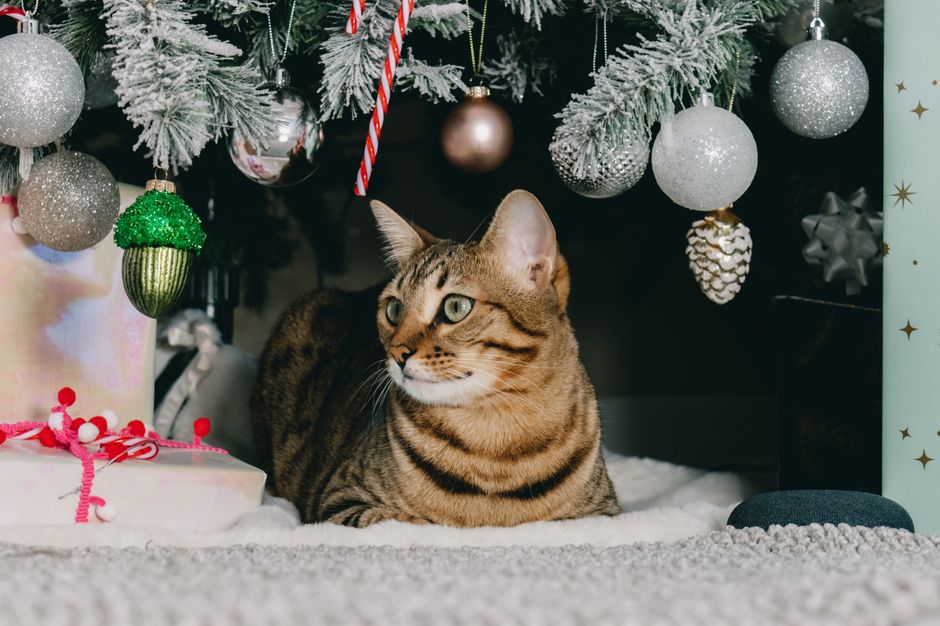
How to Prevent Holiday Hazards for Dogs and Cats
As the holiday season arrives in Peyton, CO, many families look forward to festive gatherings, delicious meals, and cozy evenings with loved ones—including their dogs and cats. While these moments can bring joy and warmth, they can also present unique risks for pets. From tempting holiday treats to busy celebrations and winter weather, November and December come with a range of seasonal hazards that pet owners should keep in mind. At Falcon Family Vet, our team of veterinarians is dedicated to helping you enjoy a safe, happy holiday season with your pets. In this guide, we will explore the most common holiday dangers for dogs and cats, share practical prevention tips, and discuss when to seek professional veterinary care at our Peyton location. With a little preparation and vigilance, you can protect your furry companions and make this season memorable for all the right reasons.
Recognizing Holiday Hazards for Your Dog or Cat
The holidays often bring changes to your home environment, routines, and diet, which can affect your pet’s health in unexpected ways. Key warning signs that your dog or cat may be experiencing a holiday hazard include vomiting, diarrhea, sudden lethargy, loss of appetite, restlessness, or signs of pain. You might notice your dog drooling excessively after stealing food from the table, or your cat hiding under furniture during a noisy gathering. Other common symptoms that may indicate a problem are coughing, sneezing, limping after slipping on ice, or showing signs of anxiety such as trembling or vocalizing more than usual. Being aware of these signs can help you spot trouble early and act quickly to protect your pet’s wellbeing.
How Holiday Changes Affect Your Pet
Dogs and cats are creatures of habit, and the excitement or chaos of the holidays can disrupt their normal patterns. New decorations, unfamiliar guests, and tempting foods left within reach all contribute to increased risk. Pets may also spend more time outdoors in the cold or be exposed to substances like antifreeze, chocolate, or decorative plants, which can be toxic. Recognizing how these changes influence your pet’s behavior and health is the first step toward keeping them safe.
Understanding the Causes: Why Are the Holidays Risky for Pets?
The holiday season brings several factors together that can create hazards for dogs and cats. First, food-related dangers are especially common. Rich holiday meals, leftovers, and treats frequently contain ingredients that are toxic to pets. Foods such as chocolate, grapes, raisins, onions, garlic, and xylitol (a sugar substitute) are well-known to cause illness in both dogs and cats. Fatty foods like turkey skin and gravy can trigger pancreatitis, which is a painful and potentially serious condition.
Decorations pose another risk. Tinsel, ribbon, ornaments, and electrical cords can be irresistible to curious pets, especially cats who love to bat at shiny objects. Ingesting these items may cause intestinal blockages or injuries. Seasonal plants such as poinsettias, lilies, and mistletoe are also toxic if chewed or eaten.
Holiday gatherings increase the risk of pets escaping through open doors, encountering unfamiliar people or animals, or experiencing stress from noise and activity. Cold weather in Peyton and the surrounding area presents additional concerns, from icy sidewalks that can cause slips and injuries, to the risk of frostbite and hypothermia for pets left outdoors too long.
The Role of Routine Disruption
During the holidays, pets may not get the same level of supervision or regular routine as usual. Changes in feeding times, skipped walks, or less attention can lead to boredom or anxiety, making pets more likely to get into trouble. For example, a dog who is left alone for longer periods may start raiding the trash, while a cat disturbed by guests may seek out dangerous hiding spots.
How Falcon Family Vet Manages Holiday Hazards
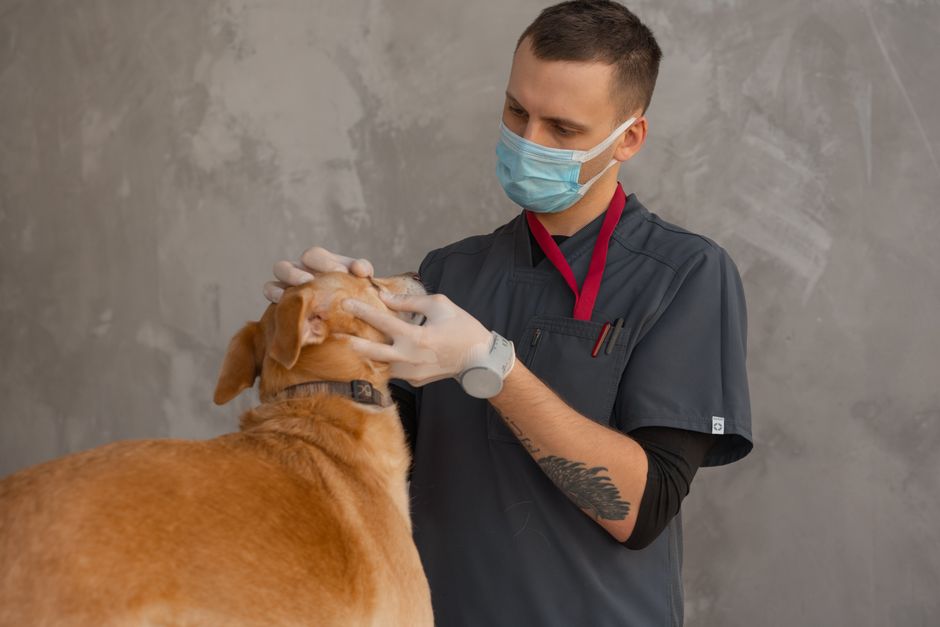
If your dog or cat encounters a holiday hazard, prompt and professional veterinary care is essential. At Falcon Family Vet, our veterinary team is equipped to handle a wide range of holiday-related emergencies and illnesses. When you bring your pet to our Peyton clinic, we begin with a thorough examination, followed by diagnostics such as blood work or x-rays if needed. For food-related illnesses, treatment often involves supportive care, intravenous fluids, and medications to control vomiting or pain. In cases of foreign body ingestion, such as tinsel or ribbon, surgical intervention may be necessary to remove the obstruction.
Winter injuries like slips or frostbite are managed with pain relief, wound care, and close monitoring. For pets experiencing anxiety or stress, our veterinarians provide guidance on behavioral support and may recommend calming supplements or environmental changes to support your pet’s emotional health. If you suspect your pet has ingested something harmful, contact us immediately, as early intervention can make a significant difference.
When dealing with food hazards, our team also provides diet and nutrition guidance to help you understand safe treats and feeding practices for the season. For pets that become sick after exposure to holiday hazards, we offer sick-pet visits for timely diagnosis and care.
Preventing Holiday Hazards at Home
Prevention is the best strategy for a safe and joyful holiday season with your pets. Start by keeping all dangerous foods out of reach. This includes chocolate, baked goods, bones, and anything containing xylitol, onions, or garlic. Remind guests not to feed your dog or cat from the table, and securely store leftovers in pet-proof containers. Supervise pets around decorations, and avoid using tinsel, ribbon, or small ornaments that could be swallowed. For electrical cords, consider using protective covers and unplugging lights when not in use.
Choose pet-safe plants and keep toxic varieties well out of reach, or avoid them altogether. If you use candles, place them where curious noses and wagging tails cannot reach. During holiday gatherings, provide your pet with a quiet, comfortable space away from the noise and commotion. This safe haven can reduce stress and prevent accidental escapes through doors left open by visitors.
As temperatures drop in Peyton, limit your pet’s time outdoors and always provide access to warm shelter and fresh water. Wipe your dog’s paws after walks to remove ice-melting chemicals, which can be harmful if licked. For cats that venture outside, ensure they have a way to return indoors quickly if the weather turns cold.
Routine wellness care is an important part of prevention. Scheduling a wellness examination ahead of the holidays can help identify any health concerns and prepare your pet for seasonal changes.
Keeping Holiday Treats Safe
Homemade pet treats or store-bought snacks formulated for dogs and cats are the safest options. If you want your pet to feel included in the festivities, offer them a small taste of plain cooked turkey or unseasoned vegetables, but always in moderation and only after confirming they are safe for your specific pet.
When to Seek Veterinary Care for Holiday Hazards
Knowing when to contact a veterinarian can save precious time and prevent complications. Seek immediate veterinary care if your dog or cat shows signs of poisoning, such as sudden vomiting, diarrhea, tremors, seizures, pale gums, difficulty breathing, or collapse. If you suspect your pet has eaten a toxic food, ingested a foreign object, or been exposed to antifreeze or other chemicals, do not wait for symptoms to worsen. Call Falcon Family Vet right away for guidance.
Other situations requiring prompt attention include deep wounds, burns from candles, broken bones, or signs of hypothermia such as shivering, weakness, or unresponsiveness. If your pet is hiding for long periods, refusing to eat or drink, or displaying unusual behavior after a holiday event, a sick-pet visit can help identify the cause and provide needed treatment.
Our team is here to offer emergency veterinary care and support for pets in Peyton and the surrounding area. If you are ever unsure whether your pet’s symptoms are serious, it is always safest to call and consult with our veterinarians.
Supporting Your Pet’s Wellbeing All Season Long
At Falcon Family Vet, our commitment to your pet’s health extends beyond treating illnesses—we believe in building lasting relationships and supporting your family through every season. Regular wellness care, tailored nutrition advice, and compassionate sick-pet visits are just some of the ways we help keep dogs and cats healthy year-round. Our Peyton location is dedicated to providing comprehensive veterinary services, so you can focus on making holiday memories with peace of mind.
If you are searching for a trusted "vet near me" in Peyton, CO, Falcon Family Vet is ready to assist with all your pet’s needs. Whether you need holiday safety advice, help with nutrition, or urgent care, our veterinary team is here for you.
For questions, to schedule a wellness exam, or if you have concerns about your pet’s health, contact us at (719) 828-7272 or visit our convenient Peyton location. From everyone at Falcon Family Vet, we wish you and your pets a safe, joyful, and healthy holiday season.