How to Prepare Your Senior Pet for Winter in Peyton
How to Prepare Your Senior Pet for Winter in Peyton
As winter approaches in Peyton, you may find yourself worrying a bit more about your aging dog or cat. The cold temperatures, icy sidewalks, and shorter days can be especially challenging for senior pets. At Falcon Family Vet, our team in Peyton, CO understands the unique needs of senior pets during the colder months. Whether you are concerned about your older dog’s stiff joints or your senior cat’s comfort when the temperature drops, our veterinarians are here to support you. In this blog, we will guide you through the key steps to keep your senior pet healthy and comfortable all winter long, highlight the importance of regular wellness exams, and explain how preventive care can make a significant difference as the chill sets in.
Our focus is on giving you practical advice tailored to Peyton’s winter climate, with insights on recognizing cold-weather challenges, understanding why older pets are more vulnerable, and knowing when to seek professional help. We will also share how the senior pet care services at Falcon Family Vet can give your beloved companion the support they need as temperatures fall.
Recognizing Winter Challenges for Senior Pets
Older dogs and cats may not show obvious signs of discomfort, but winter can present a range of issues that affect their everyday wellbeing. Senior pets are often less active than they once were, and the cold can make it harder for them to get comfortable, move around, or even go outside when nature calls.
Key symptoms that your senior pet may be struggling with the winter weather include stiff or limping movements when getting up, increased reluctance to go outdoors, shivering, or seeking out warm spots more than usual. You might notice your dog hesitating at icy steps or your cat spending more time curled up in hidden corners. Appetite changes, accidents in the house, or vocalizing more than normal can also signal discomfort from the cold.
It is important to remember that signs of winter-related stress or pain in pets can be subtle. If you notice any of these changes, scheduling a wellness examination with our veterinary team can help determine if your pet is experiencing cold-related discomfort or if another health issue is present.
Why Cold Weather Affects Senior Dogs and Cats
As pets age, several factors combine to make winter more challenging. Older animals often have a thinner, less insulating coat, decreased muscle mass, and a slower metabolism, which means they generate less body heat. Chronic health conditions such as arthritis, heart disease, or kidney disease can further reduce their ability to cope with lower temperatures.
Osteoarthritis is especially common in senior pets, and cold weather tends to make joint stiffness and discomfort worse. Walking on icy or slippery surfaces can increase the risk of falls and injuries. Senior cats may have trouble finding comfortable places to rest if their favorite warm spots are drafty or inaccessible. Additionally, older pets may be less able to regulate their body temperature, making them more susceptible to hypothermia.
Understanding these vulnerabilities is the first step to providing the right care for your pet as winter approaches. Our team at Falcon Family Vet can help you identify specific risks during a comprehensive pet exam and recommend adjustments to your pet’s routine and environment.
Supporting Senior Pets Through Professional Veterinary Care
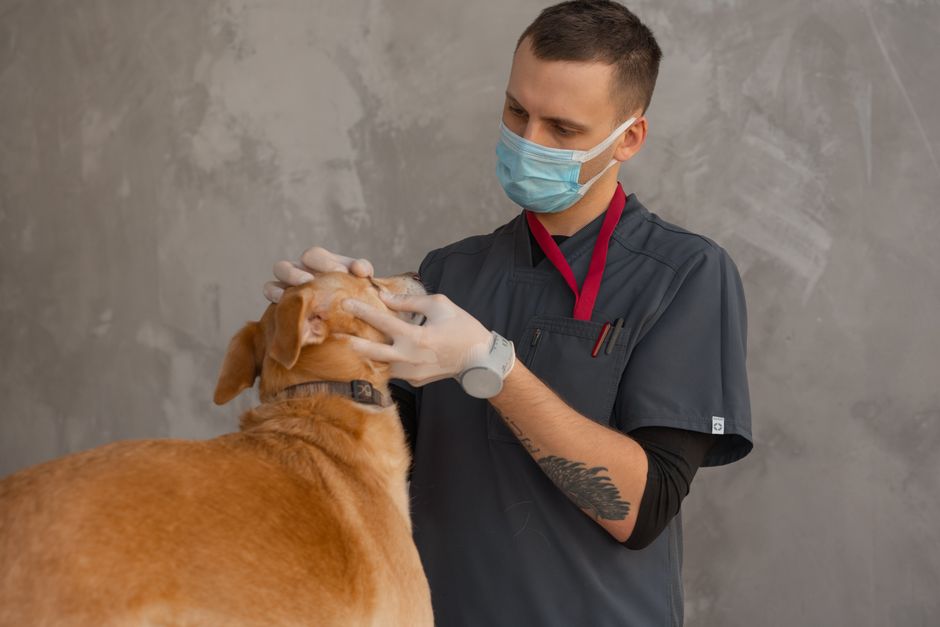
Winter is an ideal time to schedule a wellness examination for your senior pet. During the colder months, regular check-ups allow our veterinarians to monitor chronic conditions, adjust medications if necessary, and catch any changes early. A thorough exam often includes assessing your pet’s mobility, checking for signs of pain or stiffness, and screening for underlying illnesses that could be worsened by cold weather.
For pets with arthritis or other mobility issues, there are several ways Falcon Family Vet can help. Treatment options include pain management plans, joint supplements, and advice on safe, gentle exercise routines. For dogs and cats with more complex needs, diagnostic services such as radiographs or lab tests may be recommended to evaluate the extent of joint or organ changes. You can learn more about these diagnostic services on our website.
Our veterinarians can also discuss your pet’s diet and nutrition, as older animals sometimes need adjustments to maintain a healthy weight and support their immune system during winter. For some pets, prescription diets that target joint health or metabolic changes related to aging may be beneficial.
Home Care Tips for Senior Pets in Winter
While professional care is essential, there are many steps you can take at home to help your senior dog or cat stay comfortable as temperatures drop. Ensuring your pet has a warm, draft-free place to sleep is crucial. Orthopedic or heated beds can provide extra comfort for achy joints, and placing beds away from doors or windows reduces exposure to cold air.
Encouraging gentle activity is important; even short, frequent walks for dogs or interactive play for cats can help maintain joint flexibility and prevent stiffness. However, avoid letting your pet overexert themselves, especially on icy surfaces. Monitor for signs of fatigue or pain and adjust their activity level accordingly.
Keeping your pet’s coat clean and dry is another helpful step, as a damp coat can quickly lead to chills. After outdoor walks, dry your dog’s paws and belly to remove snow, ice, or de-icing chemicals that can irritate sensitive skin. For cats that venture outdoors, limit their time outside and ensure they have access to a warm shelter.
Diet can play a key role in supporting your pet’s health during winter. Senior pets may benefit from foods designed for joint health, immune support, or weight management. Our veterinary team can offer guidance on diet and nutrition tailored to your pet’s needs.
When to Seek Veterinary Care for Your Senior Pet
Although many winter challenges can be managed at home, there are times when prompt veterinary attention is essential. Warning signs that indicate your senior pet needs to see a veterinarian include persistent limping or difficulty rising, sudden changes in appetite or water intake, coughing or breathing trouble, severe shivering, or confusion and disorientation. New or worsening incontinence, reluctance to move, or vocalizing in pain should also be evaluated promptly.
If you ever notice injuries from slips or falls, wounds that do not heal, or concerning behavioral changes, contact Falcon Family Vet right away. Early intervention can prevent minor issues from developing into more serious problems, especially during the demanding winter season.
Our veterinary team is always ready to provide thorough exams and compassionate care to help your senior dog or cat enjoy the best possible quality of life, no matter how cold it gets outside.
Helping Your Senior Pet Thrive All Winter Long
As the days grow shorter and the chill sets in, your senior pet depends on you for warmth, comfort, and attentive care. By recognizing the special challenges of winter, making adjustments at home, and staying connected with our veterinary professionals, you can help your aging dog or cat remain happy and healthy through the coldest months.
If you are searching for a veterinarian near me who understands the unique needs of senior pets, look no further than Falcon Family Vet. Our commitment to preventive care, ongoing wellness exams, and personalized recommendations ensures your pet gets the support they deserve. Schedule your pet’s winter wellness visit at our Peyton, CO location by calling (719) 828-7272, and let our experienced veterinary team help your companion enjoy a comfortable, safe winter season. For more information about our senior pet care services or to book a wellness examination, visit our website or contact us today.
This post is for informational purposes only and does not substitute for professional veterinary advice. If you have specific concerns about your pet’s health, please consult with your veterinarian.